Angola Top Tourist Destinations
Angola is a country that surprises travellers who know little about it beyond visa requirements or business travel. It contains a wide range of scenery and experiences that can support city breaks, beach trips, nature exploration, cultural travel, and long overland journeys. The fact that Angola remains less crowded than many other African tourism circuits adds to its appeal. It still feels expansive and relatively undiscovered, especially once you move beyond the capital.
One of the greatest strengths of Angola as a destination is that it can be explored in layers. A traveller may begin with Luanda and the coast, then add a short park extension, then later return for a deeper route into Lubango, Namibe, Iona, Malanje, or Moxico. That means the country works for first-time visitors with limited time as well as for travellers looking for a more ambitious itinerary.
Angola is a Southern African nation whose varied terrain encompasses tropical Atlantic beaches, a labyrinth of rivers, elevated inland zones, wildlife areas, and desert landscapes that continue across the border into Namibia. This geographic breadth is one of the main reasons the country stands out as a travel destination.
1. Luanda, Capital of Angola
Luanda, the capital of Angola, is a port city on the west coast of Southern Africa and the country’s main gateway for international travellers. It is the place where many visitors first encounter Angola’s modern rhythm. Luanda is often busy, energetic, and visually layered. It combines waterfront views, commercial districts, colonial landmarks, large national monuments, and access to nearby leisure areas along the coast.
A seafront promenade known as the Marginal runs alongside Luanda Bay and provides one of the city’s defining views. This stretch is important not just because it is scenic, but because it reveals Luanda’s urban character: a city shaped by trade, the ocean, architecture, and movement. Nearby stands the 16th-century Fortress of São Miguel, built by the Portuguese in 1576 to defend the capital. Today it remains one of the most important historic sites in the city and offers harbour views together with insight into the colonial past.
Behind the Marginal, travellers discover parts of the old urban core, including buildings influenced by Portuguese design and civic architecture. The restored Nossa Senhora dos Remédios cathedral adds religious and architectural significance, while the Agostinho Neto Memorial brings a later national layer into the city’s visual identity. Together these places help explain why Luanda is more than a business hub. It is also a city of memory, symbolism, and transition.
Luanda also works exceptionally well as a base for day trips and leisure extensions. The Ilha do Cabo offers beaches, bars, and restaurants. Mussulo Peninsula is known for sand and water-based relaxation. South of the city, Quiçama National Park allows visitors to move from urban life into a protected natural landscape within a manageable travel time. That balance between city and surrounding nature is one of Luanda’s strongest tourism advantages.
Travellers interested in culture, everyday life, public spaces, food, and city photography often enjoy Luanda most when they give it enough time. Rather than treating it as a simple transit point, it is worth experiencing as Angola’s main urban destination in its own right.
When to visit Luanda
A popular time to visit Luanda is during the dry season, usually from May to September, when temperatures are often slightly cooler and rainfall is limited. These months tend to be more comfortable for sightseeing, walking, and coastal outings. The wetter season from October to April brings warmer and more humid conditions, though urban and coastal trips still remain possible. Visitors who plan to combine Luanda with inland or wildlife travel often prefer the drier period because it can simplify regional logistics.
2. Ruacana Falls and Southern River Landscapes
Ruacana Falls is better known from the Namibia side of the Kunene River, yet it reflects the kind of dramatic southern river scenery that adds depth to Angola’s tourism map. The waterfall is broad and impressive during high flow, and the surrounding region combines powerful water, border geography, and wide landscape views.
What makes this part of southern Angola interesting is not only the waterfall itself, but also the feeling of scale created by the river system and the frontier environment. Travellers who are drawn to water landscapes, regional geography, and road-trip style scenery often appreciate this zone because it shows a less urban, more elemental side of the country. It also reminds visitors that Angola’s rivers are not just scenic. They are central to the country’s ecological and geographic identity.
Parque Nacional do Quicama
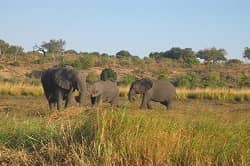
Quiçama National Park, also written Kissama or Quicama, is one of the best known natural attractions near Luanda. Located around 70 to 75 kilometres from the capital, it offers an accessible wildlife experience for travellers who want to leave the city without committing to a full long-range expedition. For many first-time visitors, Quiçama is the easiest and most practical way to add a park experience to an Angola itinerary.
The park covers a vast area and is historically important because it remained one of the most functional protected areas in Angola after years when many other parks suffered severe disruption. Lodges and safari services in and around the park make it suitable for overnight trips, especially for travellers staying in Luanda for business and wanting a nature extension at the weekend.
Wildlife viewing here can vary, and visitors should approach it with the right expectations. Quiçama is not a mass-market safari circuit built around guaranteed sightings. Its value lies in the combination of savanna landscapes, conservation history, wildlife restoration, and relative accessibility from the capital. For that reason, it works well for travellers who appreciate scenery and context as much as they value animal observation.
When to visit Quicama
Quiçama National Park has a warm tropical climate. The dry season from about May to August is often the preferred period for wildlife-focused visits because roads may be easier and visibility better. During the rainy season, the vegetation becomes greener and more atmospheric, but wildlife can be harder to spot and some roads may become more difficult.
Lubango Municipality in Angola
Lubango, formerly known as Sá da Bandeira, is one of the most important inland cities in Angola and the capital of Huíla Province. It is often described as Angola’s highland city and offers a markedly different experience from the coast and from Luanda. Elevation, surrounding scenery, and regional atmosphere make it a strong destination for travellers interested in mountain views, inland culture, and panoramic roads.
Lubango is a natural base for exploring escarpments and viewing points in southern Angola. The surrounding area helps visitors understand the country’s topographic diversity. If Luanda represents maritime energy, Lubango represents highland space, cooler air, and a more open, scenic inland identity.
Lobito Municipality in Angola
Lobito is a municipality in Benguela Province on the Atlantic coast. It is a port city, but it also appeals to travellers because of its coastal atmosphere, regional identity, and relationship to neighbouring towns and beaches. Lobito is especially suitable for visitors who want a coastal Angolan experience outside the capital.
The municipality combines port activity with urban seafront character. It can form part of a wider Benguela coast itinerary for travellers who enjoy slower Atlantic towns, seafood, walking, and local urban life shaped by the ocean.
Cameia National Park
Cameia National Park is a national park in Moxico Province and one of the country’s most distinctive nature areas. Much of the park consists of seasonally inundated plains that form part of the Zambezi basin, while extensive miombo woodlands add habitat diversity. Nearby lakes and marshlands, though outside the park’s direct boundary, reinforce the region’s ecological importance, especially for aquatic birdlife.
For travellers, Cameia is not about a fast sightseeing stop. It is a destination for those who appreciate ecosystems, water landscapes, remote travel, and a part of Angola that feels very different from the coastal and urban west. It gives eastern Angola a meaningful place on the tourism map.
Cangandala National Park
Cangandala National Park is another visitor attraction in Angola and one of the most symbolically important conservation areas in the country. Situated in Malanje Province, it is small in size yet rich in significance because of its association with rare wildlife, especially the giant sable antelope. Travellers interested in conservation and national identity often see Cangandala as a meaningful stop rather than a conventional park visit.
Iona National Park
Iona National Park, located in Namibe Province, is one of the most powerful tourism assets in Angola. It lies about 200 kilometres south of the city of Namibe and covers a huge area of desert, plains, mountains, cliffs, and dry river zones. Before the Angolan Civil War, it had a reputation as an animal-rich landscape. Though poaching and infrastructure destruction caused severe damage, the park remains visually extraordinary.
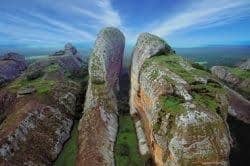
Iona attracts travellers because it looks unlike the classic safari image of Africa. It is dramatic, dry, wide, and geologically striking. The contrast between dunes, rock, rough mountains, and Atlantic influence creates scenery that can feel almost otherworldly. For landscape photographers, overland travellers, and visitors seeking places that feel genuinely remote, Iona is often one of Angola’s most memorable destinations.
The park is also important because it expands people’s idea of what Angola is. Many first-time visitors imagine beaches or tropical settings. Iona introduces a desert identity that is equally fundamental to the country’s appeal.
Mupa National Park
Mupa National Park in the southwestern Cunene province is another part of Angola’s natural heritage. It has long been recognised for its ecological importance, including birdlife, and is historically associated with wildlife conservation. Although the park has faced serious challenges, it remains relevant in any broad discussion of Angolan tourism because it highlights how rich and varied the country’s protected areas are.
For travellers with deeper interests in conservation, ecology, or lesser-known Angola, Mupa helps round out the picture. It is not promoted in the same way as Luanda or Iona, but it shows that Angola’s tourism potential extends well beyond its most famous destinations.
Atlantic Coast, Beaches, and Leisure Travel
Angola’s Atlantic coastline is one of its greatest leisure assets. Beach culture in and around Luanda is central to the local social atmosphere, but the wider coast also matters for fishing, coastal towns, estuaries, scenic driving, and seafood-based travel. Visitors looking for a balance of city life and relaxation often start with Ilha do Cabo or nearby bay areas, then extend to Mussulo or farther coastal destinations.
The coast is not simply a resort zone. It is also a cultural landscape shaped by trade, livelihoods, local cuisine, and shifting light over the Atlantic. Travellers interested in photography, food, and urban-coastal life will often find the Angolan coast more layered than they expected. Benguela and Lobito in particular offer a different coastal rhythm from Luanda, with a regional identity that rewards slower exploration.
Culture, Food, and City Experience
Tourism in Angola is not only about landscapes and parks. The country’s culture is a major part of the travel experience. Portuguese influence is visible in language, architecture, religion, and parts of the food scene, but Angola’s identity is also strongly regional and local. Travellers who explore markets, neighbourhoods, restaurants, seafronts, and public spaces often discover that the country’s human atmosphere is just as memorable as its scenery.
Food is one of the easiest entry points into Angolan culture. Coastal areas naturally highlight fish and seafood, while urban dining can range from casual local dishes to more polished contemporary options. Travellers interested in music, nightlife, and local social life will also find Angola rewarding, particularly in Luanda and major municipalities where energy carries well into the evening.
How to Build an Angola Tourism Itinerary
A successful Angola itinerary usually depends on choosing a realistic travel structure rather than trying to include too many distant regions in one short trip. The country is large, and transport planning matters. One of the best ways to travel Angola is to select a combination of city, coast, and nature.
For a short first trip, Luanda plus a nearby excursion to Quiçama or a coastal relaxation day works well. For a medium-length itinerary, travellers can add Lubango, Benguela, or Lobito. For a longer expedition-style trip, Namibe and Iona become especially attractive. Travellers deeply interested in ecology or eastern landscapes may prefer routes that include Moxico or Malanje.
| Travel Goal |
Suggested Angola Areas |
Why It Works |
| First-time visitor |
Luanda + coast + Quiçama |
Easy access, urban experience, beach atmosphere, and a nearby park extension |
| Wildlife and conservation |
Quiçama + Cangandala + Cameia |
Different ecosystems, conservation history, and a deeper look at Angola’s natural heritage |
| Landscape and photography |
Lubango + Namibe + Iona |
Escarpments, mountains, desert scenery, and powerful panoramic routes |
| Coastal leisure |
Luanda + Lobito + Benguela |
Atlantic views, beaches, seafood, and more relaxed coastal urban settings |
| Business plus leisure |
Luanda + one nature or coastal extension |
Practical for visitors extending a work trip without overcomplicating logistics |
Best Time to Visit Angola
There is no single perfect time for every Angola trip because climate and travel priorities vary by region. In general, the drier months are often more convenient for road access, wildlife viewing, and combining several destinations in one itinerary. Coastal city travel can work through much of the year, but deeper inland and park-focused routes benefit from more careful seasonal planning.
Visitors should ask what matters most to them. If the goal is easier transport and safari-style viewing, dry conditions are often preferable. If the goal is greener scenery or a different visual mood, some rainy-season travel may still be attractive. Angola rewards travellers who plan by region rather than assuming the same conditions apply everywhere.
Practical Angola Travel Considerations
Angola is most rewarding when travel is planned carefully. Distances between destinations can be significant, and not every region has the same level of visitor infrastructure. This does not make Angola difficult by default, but it does mean the best trips are built with realistic timing.
Travellers should review visa requirements before travel and make sure the visa type matches the purpose of their visit. Tourism, business, visiting, work, and other categories may involve different requirements. If you are travelling mainly for sightseeing, it is wise to complete visa arrangements before finalising non-refundable bookings.
Accommodation standards vary by region. Major cities naturally offer more options, while remote areas may require advance planning. Visitors heading toward national parks or interior zones should confirm transport, accommodation, and local logistics ahead of time.
Health, vaccination, and entry documentation are also important to review before departure. Depending on origin and route, yellow fever documentation may be relevant. Printed copies of key travel documents are useful, especially when moving between regions.
Angola particularly suits travellers who enjoy destinations that still feel authentic, large, and developing rather than heavily standardised. It offers more discovery than formula. That quality is one of the reasons many experienced travellers find it memorable.
Visitors who arrive with curiosity and patience often find that Angola leaves a strong impression because the country is not defined by one tourism product. It is a collection of cities, coastlines, parks, roads, rivers, and landscapes that reveal themselves gradually.
Why Angola deserves a longer stay
Many destinations can be summarised quickly. Angola cannot. The more time a traveller gives it, the more the country reveals different identities: maritime, urban, highland, riverine, desert, colonial, post-independence, ecological, and cultural. A rushed trip may show one or two of these. A longer stay begins to show how they fit together.
This is why Angola is increasingly attractive to travellers looking for something less obvious. It offers genuine variety without feeling overdeveloped. It works for nature lovers, city explorers, photographers, coastal travellers, and business visitors wanting to add leisure time. It can be calm, intense, scenic, historical, and unexpected in the same itinerary.
For visitors who want a destination with character, room to explore, and landscapes that shift dramatically from one region to another, Angola deserves real consideration. It is not only a place to pass through on a visa form. It is a country worth discovering in depth.
Useful Angola travel links
Before you travel, it is helpful to review the right visa and planning pages for your trip:
Tourist e-Visa
See the tourist visa guidance and online process.
Open page
Visa Requirements
Check passport rules and supporting documents.
Open page
Ports of Entry
Review where approved travellers may complete entry formalities.
Open page
Visa Information
Read more about categories, approval, and planning.
Open page